Interior vs Exterior Paint: What's the Difference?
Why This Distinction Actually Matters
One of the most common questions we hear from Chicago homeowners is straightforward: "Can I just use the same paint inside and outside?" The short answer is no — and understanding why will save you from costly failures, peeling surfaces, and potential health concerns.
Interior and exterior paints are engineered for fundamentally different environments. They contain different resins, different additives, and different chemical compounds designed to perform under very different stresses. Using the wrong type doesn't just compromise appearance — it can lead to premature failure, wasted money, and in some cases, indoor air quality problems that affect your family's health.
Here's a professional painter's breakdown of what makes these products different and why it matters for your next project.
Why You Can't Use Interior Paint Outside
Interior paint is designed for a controlled environment — stable temperatures, no rain, no UV radiation, no freeze-thaw cycles. When you apply interior paint to an exterior surface, three things happen relatively quickly:
UV Degradation
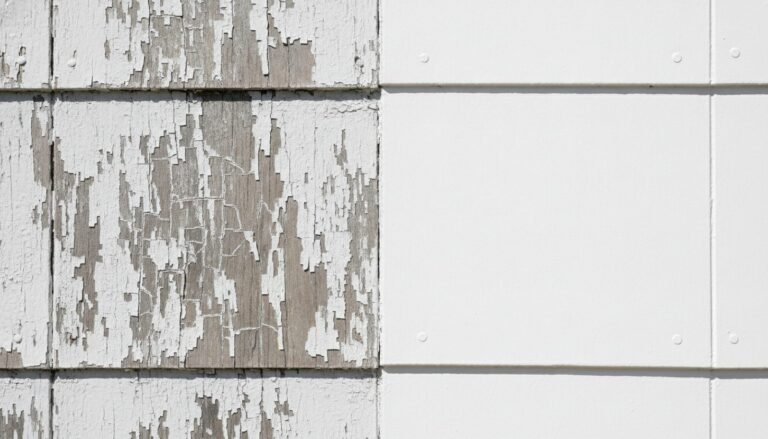
Interior paints lack the UV-resistant pigments and stabilizers that exterior paints contain. Chicago gets approximately 2,500 hours of sunshine per year, and that UV radiation breaks down the molecular bonds in interior paint within months. The result is rapid fading, chalking (that powdery residue you can wipe off with your hand), and loss of the protective film that keeps moisture out. An interior paint used outside in Chicago will show visible degradation within the first summer.
Temperature Stress
Chicago temperatures swing from -20 degrees in January to 95+ degrees in July — a range of over 115 degrees. Interior paints aren't formulated to expand and contract through these extremes. The paint film becomes brittle in cold weather, cracks form, and moisture enters through those cracks. By the second winter, you'll see significant peeling and flaking. Exterior paints contain flexible resins that allow the paint film to stretch and contract with the substrate through seasonal temperature changes without cracking.
Moisture Resistance
Chicago averages 36 inches of precipitation annually, plus snow, ice, and significant humidity from Lake Michigan. Interior paint simply isn't built to handle sustained moisture exposure. It absorbs water rather than repelling it, which leads to blistering, peeling, and eventually mold and mildew growth on the painted surface. Exterior paints contain mildewcides and moisture-resistant binders specifically to prevent these problems.
Bottom line: Interior paint used outside will fail within 6–18 months in Chicago's climate. The cost to strip the failed paint and redo the job properly will be significantly more than doing it right the first time.
The Chemical Differences: What's Actually in the Can
Paint consists of four primary components: pigments (color), binders (the resin that holds everything together), solvents (the liquid carrier), and additives (specialized chemicals for specific performance characteristics). Here's how they differ between interior and exterior formulations:
Resins and Binders
Interior paints typically use acrylic or vinyl-acrylic resins optimized for scrubbability, stain resistance, and smooth application. These resins create a hard, durable film that resists everyday wear — fingerprints, scuff marks, cleaning. But they're relatively rigid.
Exterior paints use 100% acrylic resins that are specifically engineered for flexibility and adhesion in challenging conditions. These resins allow the paint film to expand and contract without cracking, resist UV degradation, and maintain adhesion even when moisture penetrates the substrate. The acrylic content is typically higher and the formulation more elastic than interior counterparts.
Additives: The Invisible Difference
This is where the formulations diverge most significantly:
- Exterior paints contain mildewcides — biocides that prevent mold and mildew growth on the paint surface. These are critical in Chicago, where humidity from Lake Michigan and seasonal rain create ideal conditions for biological growth.
- Exterior paints contain UV absorbers and stabilizers — chemical compounds that absorb ultraviolet radiation before it can break down the resin binders. Without these, the paint degrades rapidly in direct sunlight.
- Interior paints contain low- or zero-VOC formulations — because they're applied in enclosed spaces where occupants breathe the air. Exterior paints may contain higher VOC levels because outdoor ventilation disperses the compounds safely.
- Exterior paints contain anti-chalking agents — compounds that prevent the surface from breaking down into a powdery residue as the paint ages.
Durability: How Long Each Type Lasts
| Performance Factor | Interior Paint | Exterior Paint |
|---|---|---|
| Typical lifespan | 5–10 years indoors | 7–12 years outdoors |
| UV resistance | Minimal | High (UV stabilizers included) |
| Moisture resistance | Moderate (splash/wipe) | High (sustained rain/snow) |
| Flexibility | Low — rigid film | High — stretches with substrate |
| Scrubbability | High (especially eggshell/satin) | Moderate |
| Mildew resistance | Low (unless bathroom formula) | High (mildewcides included) |
| Stain resistance | High (premium lines) | Moderate |
VOC Levels and Health Considerations
VOCs — volatile organic compounds — are the chemicals that evaporate from paint as it dries and cures. They're responsible for that "paint smell" and, at high concentrations, can cause headaches, dizziness, and respiratory irritation. Over long-term exposure, some VOCs are linked to more serious health effects.
This is one area where interior paint has a clear advantage. Modern interior paints from premium manufacturers are formulated with zero or near-zero VOCs. Sherwin-Williams Emerald Interior, for example, is GreenGuard Gold certified with VOC levels below 50 g/L. This matters enormously when you're painting bedrooms, nurseries, kitchens, and other living spaces where your family spends hours every day.
Exterior paints may contain higher VOC levels because outdoor application provides natural ventilation. However, even exterior formulations have become significantly cleaner over the past decade. Sherwin-Williams Duration Exterior, for instance, maintains excellent performance with VOC levels that meet or exceed EPA requirements.
Health warning: Never use exterior paint indoors. The higher VOC content and mildewcide additives can cause indoor air quality problems that persist for weeks or months after application. This is especially dangerous in homes with young children, elderly residents, or anyone with respiratory conditions.
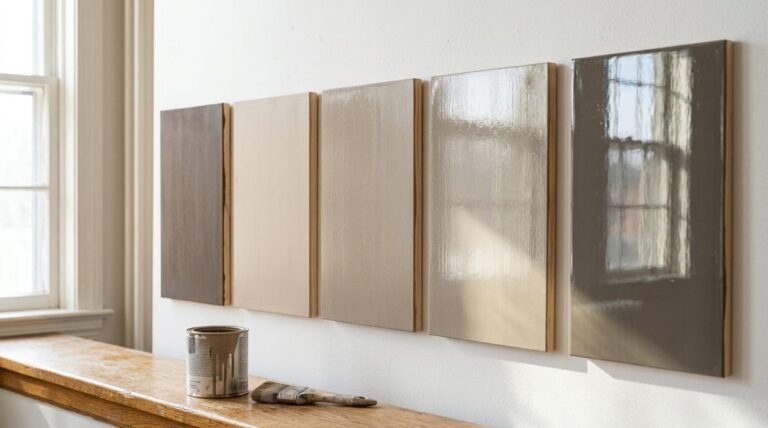
Finish Options: Interior vs. Exterior
Both interior and exterior paints come in a range of sheens, but the options and best practices differ:
Interior Finish Options
- Flat/Matte: Hides imperfections best but is least washable. Ideal for ceilings and low-traffic rooms in older Chicago homes where plaster walls have character.
- Eggshell: The most popular interior sheen — a subtle luster that's easy to clean. Excellent for living rooms, bedrooms, and hallways.
- Satin: Slightly more sheen than eggshell, with better moisture and scuff resistance. Best for kitchens, bathrooms, mudrooms, and kids' rooms.
- Semi-Gloss: High durability and moisture resistance. Standard for trim, baseboards, doors, and crown molding.
- High-Gloss: Maximum durability and a dramatic, reflective finish. Used sparingly — front doors, accent furniture, and specialty applications.
Exterior Finish Options
- Flat: Hides surface imperfections on older siding. Common on Chicago bungalows and vintage homes with imperfect surfaces. Less durable than higher sheens.
- Satin: The most popular exterior sheen in Chicago. Good balance of appearance, durability, and dirt resistance. Recommended for siding, trim, and most exterior surfaces.
- Semi-Gloss: Excellent moisture resistance and easy to clean. Standard for exterior trim, shutters, doors, and window frames.
- Gloss: Maximum moisture protection but shows every imperfection. Best reserved for front doors and decorative elements.
Common Mistakes Homeowners Make
- Using leftover interior paint on the porch or fence. It seems economical, but you'll be repainting within a year. Outdoor surfaces need outdoor paint — period.
- Using exterior paint in the bathroom "because it's more moisture-resistant." While exterior paint does handle moisture well, its higher VOC content and mildewcide chemicals make it unsafe for enclosed spaces. Use a bathroom-specific interior formula instead (like Sherwin-Williams Emerald in satin or semi-gloss).
- Mixing interior and exterior paint together. The different resin systems are not compatible. Mixing them creates a product that performs poorly in both environments.
- Ignoring primer compatibility. Interior primers and exterior primers are different products for the same reasons the topcoats are different. Use the primer designed for your application environment.
- Choosing paint based on color alone. The same color exists in both interior and exterior formulations. Choose the right formulation first, then select your color within that product line.
Sherwin-Williams Product Recommendations
After painting hundreds of Chicago homes, here are the products we trust and why:
Best Interior Paint: Sherwin-Williams Emerald
SW Emerald is the gold standard for interior residential painting in Chicago. It offers exceptional coverage (often single-coat in color-to-color applications), zero-VOC formulation, superior stain resistance, and a self-leveling formula that minimizes brush marks. Available in all sheens. It's our standard on every interior project because nothing else on the market matches its combination of coverage, durability, and indoor air quality performance. Price point is around $80/gallon — worth every cent when you consider it typically lasts 7–10 years.
Best Exterior Paint: Sherwin-Williams Duration
SW Duration is engineered specifically for challenging exterior conditions — which describes Chicago perfectly. It features advanced acrylic resins for maximum flexibility, PermaLast technology for fade resistance, excellent adhesion to previously painted surfaces, and mildew resistance that performs in Chicago's humid lakefront climate. It can be applied at temperatures as low as 35 degrees, which extends the painting season by several weeks on both ends — a genuine advantage in Chicago's short exterior season. Price point is around $75/gallon.
Pro tip: Always buy your paint from a Sherwin-Williams store, not a big-box retailer. The product formulations sold at dedicated SW stores are often different (and better) than what's sold through third-party retailers, even when the label looks the same.
When to Hire a Professional
Using the right paint is only half the equation. Application technique matters just as much. Here are the situations where professional painting pays for itself:
- Any exterior work above the first story. Safety equipment, ladder work, and scaffolding expertise are non-negotiable.
- Surfaces with adhesion problems. If existing paint is peeling, chalking, or blistering, the surface needs professional diagnosis and prep before new paint goes on.
- Pre-1978 homes in Chicago. Lead paint disturbance requires EPA-certified contractors following RRP rules. This isn't optional — it's federal law, and the health stakes are real.
- Large-scale interior projects. Painting an entire home requires consistent technique across all rooms. Professional spray equipment and cutting-in skills deliver a result that DIY simply can't match at scale.
- High-value finishes. If you're investing in premium paint and want a premium result, professional application ensures the product performs as intended.
RenewBuild Painting uses Sherwin-Williams Emerald for interior work and Sherwin-Williams Duration for exterior projects — every time, on every job. No substitutions, no contractor-grade downgrades. We're EPA Lead-Safe certified (NAT-F308152-1) and carry full liability and workers' comp insurance. Call (312) 561-4512 or schedule a free estimate online.
Get Your Free Estimate
Whether it's an interior refresh or a full exterior repaint, we'll recommend the right products and give you a clear, detailed quote. No guesswork, no hidden fees.
Related Articles
Keep Reading
Downtown, Chicago’s North Side & the North Shore
Based downtown and serving Chicago’s North Side and the North Shore suburbs, so every crew is close, on time, and familiar with the homes in your neighborhood.
Not sure if we cover your area? See all service areas or call (312) 561-4512.
RenewBuild Serves Chicago & North Shore
Looking for a painter near you? We serve homes and businesses on Chicago's North Side, Downtown and the North Shore.